
Biotin-Rich Foods for Stronger Nails
Discover the best natural sources of biotin and other essential nutrients that support nail growth and health. Our comprehensive guide showcases the foods that can make a real difference in your nail strength and appearance.
Browse by Category
Featured Biotin Food Sources
Almonds
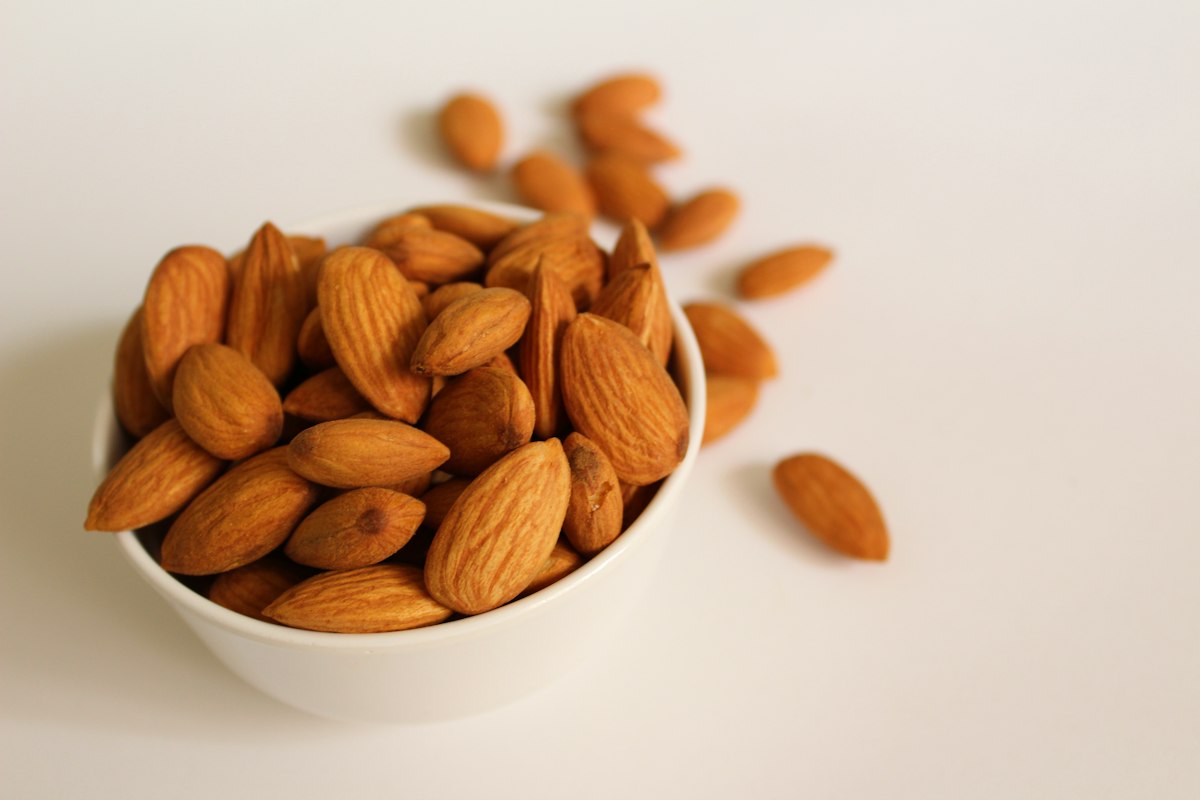
Almonds are one of the richest plant-based sources of biotin, containing approximately 1.5 micrograms per ounce. These nutrient-dense nuts also provide vitamin E, magnesium, and protein, all of which contribute to healthy nail growth. A small handful of almonds as a daily snack can significantly boost your biotin intake and support stronger, less brittle nails.
Eggs
Eggs are an excellent source of biotin, with the yolk containing the highest concentration of this essential nutrient. One large egg provides roughly 10 micrograms of biotin. Beyond biotin, eggs offer complete protein, choline, and selenium—all vital for nail health. Including eggs in your breakfast or meals several times per week is an easy way to support nail strength and growth.
Salmon
Salmon contains biotin along with omega-3 fatty acids that support nail hydration and flexibility. A 3-ounce serving of salmon provides approximately 4-5 micrograms of biotin. The omega-3 content also helps reduce inflammation and improves blood circulation to the nail bed, promoting healthier growth. Regular salmon consumption contributes to glossier, stronger nails over time.
Sweet Potatoes
Sweet potatoes are a vegetable source of biotin, providing around 2.4 micrograms per medium-sized potato. They also deliver beta-carotene, vitamin C, and potassium—nutrients essential for collagen production and nail structure. The combination of biotin and vitamin C in sweet potatoes makes them particularly beneficial for strengthening the nail matrix and preventing breakage.
Spinach
Leafy greens like spinach contain biotin along with iron, folate, and vitamins K and A. A cup of cooked spinach provides approximately 0.5 micrograms of biotin, and when combined with other nutrient-dense foods, contributes to overall nail health. The iron in spinach is particularly important for preventing pale or brittle nails caused by deficiency. Regular consumption supports healthy nail growth and colour.
Walnuts
Walnuts provide biotin and are one of the best plant-based sources of omega-3 fatty acids. A quarter cup of walnuts delivers approximately 1.6 micrograms of biotin plus essential minerals like copper and manganese. These nutrients work together to strengthen the nail structure from the inside, reducing brittleness and supporting consistent nail growth throughout the year.
Chicken Breast
Chicken breast is a lean protein source containing approximately 3.8 micrograms of biotin per 3-ounce serving. It also provides B vitamins, selenium, and niacin, all of which support keratin production and nail strength. Regular consumption of chicken ensures a steady supply of biotin and complete amino acids necessary for building resilient, healthy nails that resist splitting and breakage.
Mushrooms
Mushrooms, especially shiitake and oyster varieties, contain biotin along with selenium and ergothioneine—powerful antioxidants. A cup of cooked mushrooms provides approximately 1.3 micrograms of biotin. Mushrooms also support copper absorption, which is essential for collagen cross-linking in nails. Including mushrooms in your diet adds nutritional variety and supports long-term nail health.
Why Biotin Matters for Nail Health
Biotin, also known as vitamin B7, is a water-soluble B vitamin that plays a crucial role in keratin synthesis. Keratin is the primary protein that makes up your nails, and adequate biotin levels ensure that your body can produce strong, resilient nail tissue. Without sufficient biotin, nails become thin, brittle, and prone to peeling and breaking.
Research suggests that biotin supplementation can improve nail thickness and reduce splitting within several months. However, obtaining biotin from whole food sources is ideal because these foods provide additional supporting nutrients—vitamins C and E, minerals like zinc and iron, and healthy fats that all contribute to nail growth and appearance.
A consistent dietary approach, incorporating multiple biotin-rich foods throughout your week, provides a steady supply of this essential nutrient alongside complementary vitamins and minerals that strengthen nails from within.
How to Incorporate Biotin Foods Into Your Diet
Start Your Day with Eggs
Begin your morning with a two-egg breakfast—scrambled, boiled, or in an omelette. Eggs provide an immediate biotin boost of approximately 20 micrograms, setting a strong nutritional foundation for the day ahead.
Snack on Nuts and Seeds
Replace processed snacks with a handful of almonds or walnuts mid-morning or afternoon. These nutrient-dense options provide biotin plus sustained energy, making them ideal for daily incorporation into your routine.
Build Meals Around Protein
Structure lunch and dinner around biotin-rich proteins—salmon twice weekly, chicken breast three times weekly. This approach ensures consistent biotin intake while providing complete amino acid profiles.
Add Vegetables & Whole Grains
Include sweet potatoes, spinach, or whole grain oats as side dishes or bases for meals. These foods provide biotin alongside fibre, minerals, and additional vitamins that support overall nail and skin health.
Frequently Asked Questions
How long does it take to see nail improvement from biotin-rich foods?
Nails grow slowly—approximately 3 millimetres per month. Most people begin noticing improvements in nail strength and appearance within 2 to 3 months of consistent biotin intake. Full results typically appear after 6 months as new, stronger nail tissue replaces damaged growth. Patience and consistency are essential for optimal results.
Can I get enough biotin from food alone, or do I need supplements?
Most people can achieve adequate biotin intake through a varied, balanced diet that includes the foods listed on this page. The recommended daily intake is 30 micrograms, which is easily met by combining eggs, nuts, and protein sources. Supplements may be beneficial if you have dietary restrictions, but whole-food sources offer additional supporting nutrients that supplements cannot provide.
Are there any side effects from consuming biotin-rich foods?
No. Biotin is water-soluble, meaning excess amounts are excreted through urine. Consuming biotin-rich foods carries no risk of toxicity or adverse effects. These whole foods are nutritious and safe for daily consumption. Some people may experience minor digestive changes if dramatically increasing fibre intake, but this is not a biotin-specific concern.
Do vegetarians and vegans have access to sufficient biotin sources?
Yes. Vegetarians can rely on eggs and dairy products for biotin. Vegans can obtain biotin from almonds, walnuts, sweet potatoes, mushrooms, spinach, and fortified grains or plant-based products. While vegan sources tend to have slightly lower biotin concentrations, a varied plant-based diet easily provides the daily recommended intake of 30 micrograms.
Does cooking affect biotin content in foods?
Biotin is relatively heat-stable, so cooking methods like boiling, grilling, or baking do not significantly reduce biotin content. However, excessive or prolonged cooking at very high temperatures may cause minor nutrient loss. Light steaming or roasting preserves biotin levels well. For maximum nutrient retention, prepare foods using moderate heat and cooking times.
Can biotin-rich foods improve hair and skin health as well?
Yes. Biotin supports the health of all keratin-based tissues, including hair and skin. A diet rich in biotin and supporting nutrients promotes stronger hair strands, more resilient skin, and healthier nails simultaneously. The vitamins and minerals in these whole foods—such as vitamin C, vitamin E, and zinc—provide additional benefits for skin elasticity and hair shine.
Additional Nutrients That Support Nail Health
While biotin is essential, nail health depends on a combination of nutrients working together. Vitamin C supports collagen synthesis, vitamin E protects nails from oxidative stress, zinc aids in cell growth and repair, and iron prevents the pale, brittle nails associated with deficiency. Iron is particularly important for women, who experience higher rates of anaemia.
Protein is the structural foundation of nails—inadequate protein intake directly impacts nail strength and growth rate. Healthy fats from fish and nuts support nutrient absorption and provide anti-inflammatory compounds that reduce inflammation around the nail bed.
A holistic approach that combines biotin-rich foods with these complementary nutrients creates the ideal environment for nail growth and strength.
Key Supporting Nutrients
Vitamin C
Supports collagen cross-linking and strengthens nail structure
Vitamin E
Protects nails from oxidative damage and promotes circulation
Iron
Prevents pale, brittle nails caused by iron deficiency
Zinc
Aids in cell growth and supports nail matrix development
Protein
Provides amino acids for keratin synthesis and nail growth
Quick Reference: Biotin Content in Common Foods
| Food | Serving Size | Biotin Content (microgram) | Biotin Content (microgram) |
|---|---|---|---|
| Egg (1 whole) | 50g | 25-33 | |
| Almonds | 1 ounce (28g) | 1.5 | |
| Sweet Potato | 1 medium (100g) | 2.4 | |
| Salmon | 3 oz (85g) | 5 | |
| Spinach (cooked) | 1 cup (180g) | 8 | |
| Mushrooms | 1 cup (156g) | 9.2 | |
| Cheddar Cheese | 1 oz (28g) | 0.4 | |
| Broccoli | 1 cup (156g) | 4 |
What Our Community Says
"After incorporating Naturalglosshealth's biotin recommendations into my diet, I noticed stronger nails within 6 weeks. This guide was a game-changer for me!"
Sarah Mitchell
Health & Wellness Blogger
"The science-backed information and practical tips made it easy to understand how biotin supports hair growth. My dermatologist was impressed with my progress!"
James Rodriguez
Fitness Coach
"Finally, a comprehensive resource that doesn't promote unnecessary supplements. The dietary approach is sustainable and truly works!"
Emma Thompson
Registered Dietitian
Frequently Asked Questions
How much biotin do I need daily?
Can biotin supplements replace food sources?
How long before I see results?
Are there any side effects from biotin?
Is biotin suitable for everyone?
Start Your Journey to Natural Gloss Health Today
Transform your hair, skin, and nails from the inside out with biotin-rich foods. Join thousands who've already experienced the natural gloss difference.
No credit card required. Unsubscribe anytime. Privacy guaranteed.